Lord Rama is seen carrying His bow and arrow at all times and that symbolises His preparedness and strength to maintain peace and justice both within and without… He is the ideal of ‘aggressive goodness’…. He would not passively accept anything that is inconsistent with or contrary to morality and righteousness. – Swami Chinmayananda
Rama – The Seventh Avatar of Vishnu
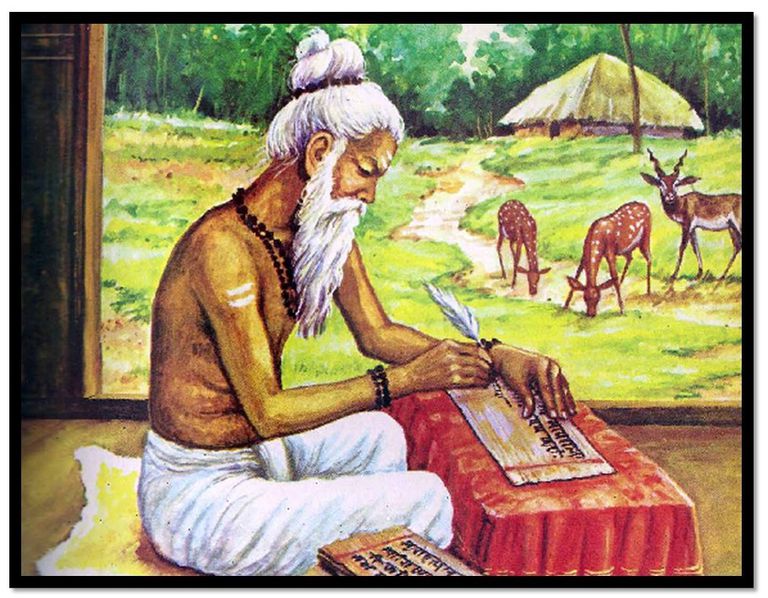
Lord Vishnu took His seventh avatar as Lord Rama during the Treta Yuga. The Ramayana, written by Sage Valmiki, narrates His life and greatness. Known as Maryada Purushottam (the Lord of Virtue), Rama was the eldest son of King Dasharatha and Queen Kaushalya. His life represents the highest standards of morality, courage, and compassion.
The Perfect Character in Ramayana
Sage Valmiki portrays Rama as the embodiment of uncompromising goodness. Nowhere else do we find such perfection combined in a single individual—Rama was at once:
-
A perfect son
-
An ideal king
-
A true husband
-
A devoted brother
-
A real friend
-
A noble enemy
Every relationship in His life demonstrates values that remain timeless and inspirational.
Why the Criticisms?
Some actions of Rama in the Ramayana are often questioned or misunderstood. These criticisms arise when certain incidents are viewed in isolation, without considering the higher ideals and dharma that Rama upheld. Let’s explore three of the most discussed instances.
1. Leaving King Dasharatha to Die
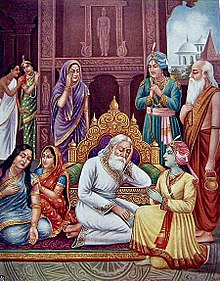
When Kaikeyi demanded her boon and asked Rama to go into exile, King Dasharatha was devastated. Rama knew his father would not survive the sorrow, yet He left for the forest.
Why? Because for Rama, a son’s dharma was to uphold his father’s word. By fulfilling the promise Dasharatha had given, Rama showed that truth and duty must never be compromised—even above personal bonds. His sacrifice glorified the father-son relationship, not diminished it.
2. Exiling Queen Sita
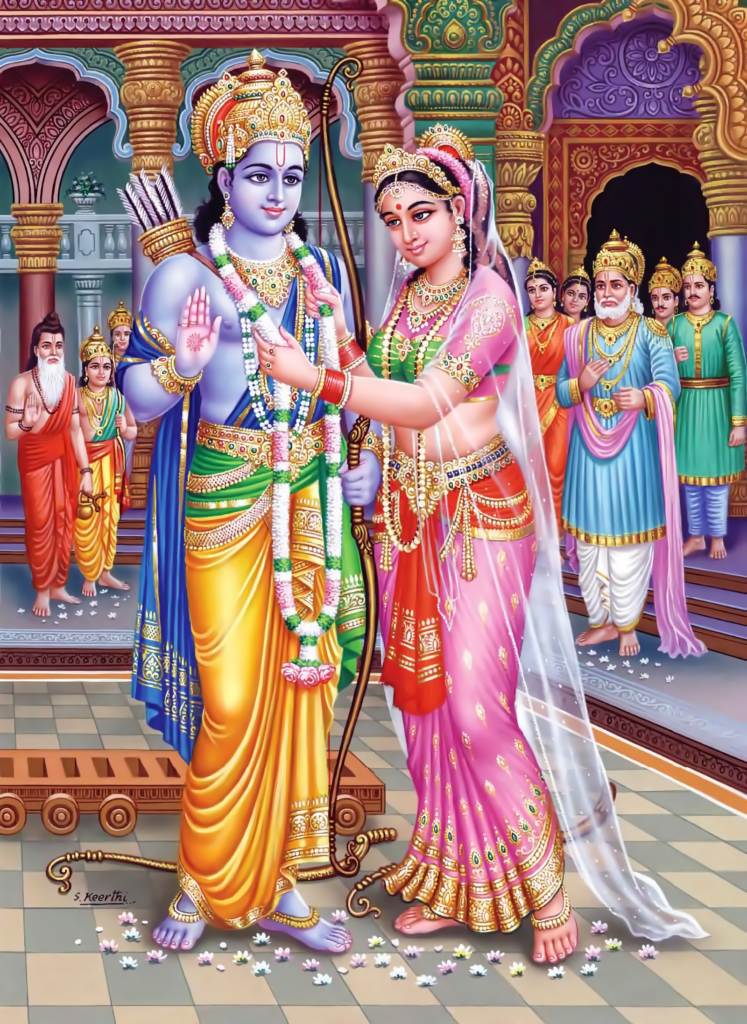
Rama sending Sita to the forest is another widely debated incident. Critics often question why He bowed to the careless gossip of a washerman.
But in the context of His time, a true king had to command the trust of every single subject. Even one voice of doubt was enough to challenge the king’s integrity. By exiling Sita, Rama demonstrated that He placed the welfare of His kingdom above His personal happiness. This painful sacrifice underlined His role as the ideal king of that era.
3. Shooting Vali from Behind a Tree
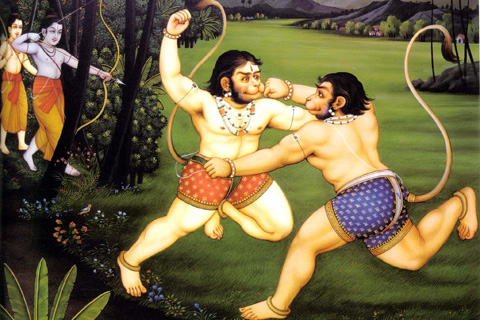
Perhaps the most controversial act was Rama killing Vali while concealed behind a tree. At first glance, this seems cowardly.
However, Rama acted out of loyalty to His friend Sugreeva. Vali was immoral, while Sugreeva was virtuous and in need of justice. Moreover, Vali had a boon that drained half the strength of any opponent facing him in direct combat. Rama’s action ensured dharma prevailed. Here, He displayed the ideal of friendship and justice over brute force.
Rama as the Man of Perfection
Taken as a whole, Rama’s life is not a series of contradictions but a consistent expression of dharma. He upheld duty as a son, sacrifice as a king, loyalty as a friend, and compassion even as an enemy.
He stands for:
-
Righteousness over convenience
-
Duty over desire
-
Sacrifice over selfishness
This is why Rama is remembered not merely as a king or a warrior, but as the eternal symbol of virtue and perfection.
Conclusion
When we look at Rama’s life through the lens of dharma, every action becomes a lesson in higher values. The criticisms dissolve, and what remains is the portrait of the Maryada Purushottam—the perfect human being.
Rama teaches us that true greatness is not in power or wealth, but in the courage to uphold righteousness, even at the cost of personal suffering.
✨ In Rama’s life, we find an ideal to inspire our own—whether as a son, friend, spouse, or leader.
Read about where to find inspiration.
Reference: Art of God Symbolism by Swami Chinmayananda